
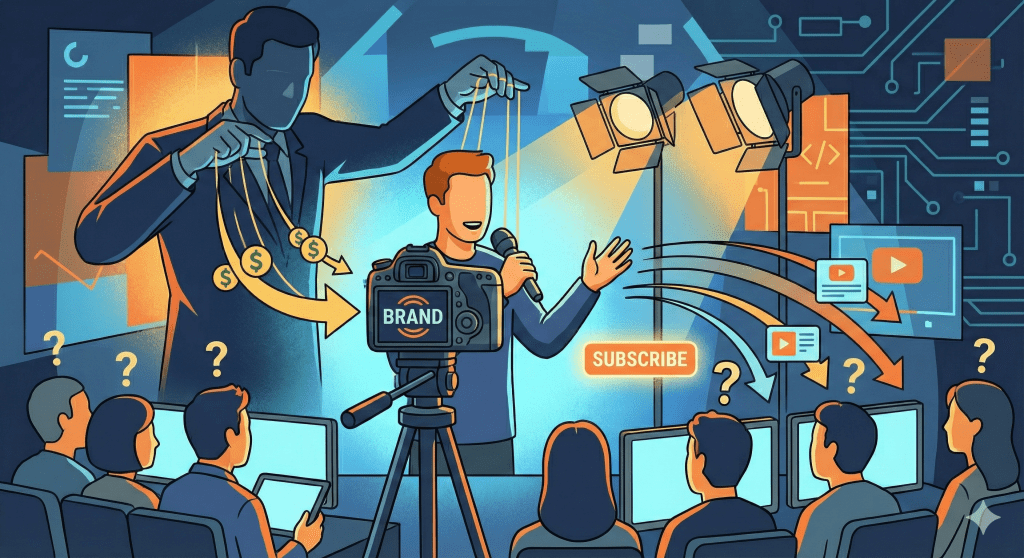
We’ve all experienced it. A major camera announcement drops, and within seconds, our YouTube feed is a sea of high-production-value “Day One” reviews. The cinematography is breathtaking, the music is pulsing, and the enthusiasm is infectious. But as the dust settles, a nagging question often remains: Am I being informed, or am I being sold?
As we navigate this landscape in 2026, the line between an independent review and a high-end advertisement has never been thinner. It’s time we have a respectful conversation about the “Influencer” economy and how to digest the information it provides.
The Elephant in the Room: The “Shill”
The term “shill” is thrown around forums and comment sections with reckless abandon. But is it a fair label? In most cases, it’s not that creators are maliciously lying about a product. Rather, it’s about access and incentives.
To get a camera weeks before launch, creators often have to maintain a “healthy” relationship with brands. While many reviewers, like the highly technical Gerald Undone, have spoken out about being “punished” by manufacturers for critical titles or honest takes, the pressure to stay in the inner circle is real. When your livelihood depends on early access and affiliate link commissions, being the “angry reviewer” is a difficult business model to sustain.
Craft vs. Commerce
Respected veterans of the space, like Caleb Pike (DSLR Video Shooter), have subtly pointed out a shift in the industry. Creators who started out as craftsmen—obsessed with lighting, rigging, and the art of the frame—sometimes find their skills being “used” by companies to sell the most expensive gear on the market.
Their beautiful footage becomes a proof-of-concept for a $5,000 body, even if the same result could have been achieved with a camera half that price. It’s a paradox: the more skilled the creator, the better they make the gear look, and the harder it becomes for the average viewer to separate the person’s talent from the sensor’s capability.
The Exceptions: Practical Advocates
Thankfully, the “Conversation” isn’t one-sided. There are notable exceptions who have built their brands on a different kind of honesty.
Take Arthur R, for example. By focusing heavily on the Sony APS-C ecosystem and affordable third-party lenses, he has carved out a space that prioritizes the “regular” shooter. His style is simple and practical, focusing on helping people get great shots without needing a second mortgage. These creators remind us that the most valuable information isn’t always the most expensive.

How to Watch (Without Getting “Sold”)
So, is it healthy to consume this content? Yes, but only with a filtered lens. To stay grounded, we recommend a few “rules of engagement” when watching reviews:
• Distinguish “First Look” from “Long Term”: A video filmed during a 48-hour press trip in a beautiful location is an extended commercial. Wait for the “Six Months Later” reviews to hear about the bugs, the overheating, and the daily frustrations.
• The Affiliate Awareness: If a reviewer spends more time telling you to “check the links in the description” than explaining a specific technical flaw, be cautious. Affiliate links are a valid way to support creators, but they shouldn’t drive the editorial direction.
• Seek Out the Skeptics: Look for reviewers who don’t always get the early units. Those who buy the gear with their own money—or wait until the hype has died down—often have the most objective perspectives.
The Bottom Line
At Camera Conversations, we believe that YouTube is an incredible resource, but it’s an ecosystem driven by attention and sales. The creators aren’t the enemy; they are people navigating a complex job.
Our job as viewers is to remember that talent cannot be purchased at a camera store. Use the reviews to understand the specs, but use your own intent to decide if those specs actually matter for your story.

Plaats een reactie