
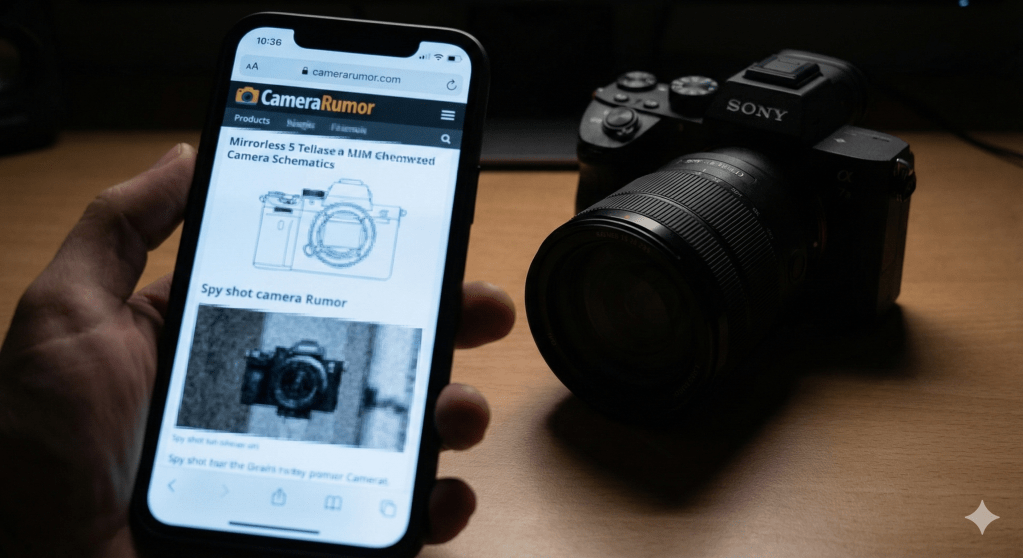
We live in an era where the conversation around cameras is often louder than the conversation happening through them. This noise is not generated by the images we create, but by a speculative ecosystem of rumor sites, leaks, and unconfirmed reports that has become a dominant force in the photography and videography world. Platforms like SonyAlphaRumors, CanonRumors, and their countless counterparts have transformed from niche forums for enthusiasts into powerful engines of anticipation. While they provide a sense of community and excitement, it is worth examining the psychological toll of this endless cycle and how it actively fuels Gear Acquisition Syndrome (GAS) by creating an artificial state of perpetual demand.
The Psychology of Anticipation
The human brain is wired to seek novelty. Rumor sites exploit this evolutionary trait by providing a constant drip-feed of “what if.” They sell the potential of a future tool rather than the reality of a current one. This constant speculation shifts the focus from the act of creation to the act of acquisition. The belief takes hold that the current limitations we face in our work are not skills gaps to be bridged through practice, but hardware deficits to be solved by the “next big thing.” The rumor mill thrives on the promise that the upcoming camera will finally be the one that removes all friction, creating a state of perpetual dissatisfaction with the gear we currently own.
The Creation of Artificial Demand
This ecosystem does not just report on demand; it actively creates it. By hyping unannounced features and speculating on game-changing specifications, these sites generate a sense of urgency and FOMO (Fear Of Missing Out) long before a product even exists. This pre-launch hype cycle trains consumers to devalue their existing equipment. A camera that is perfectly capable of producing professional-grade work today is suddenly repositioned as obsolete because a rumor suggests its successor might have a slightly higher frame rate or a marginally better codec. This manufactured obsolescence benefits manufacturers, who rely on a consistent upgrade cycle, but it can be financially and creatively damaging to the individual creator.
The Opportunity Cost of Speculation
The most significant cost of engaging with the rumor economy is not financial; it is attentional. The time and mental energy spent parsing spec sheets of non-existent cameras is time not spent behind the lens. In my background in journalism, the focus was always on the story in front of you, using whatever tool was available. The rumor mill encourages the opposite approach: obsessing over the tool that is not yet here. This misallocation of focus can lead to a paralysis where creators delay projects, waiting for the “perfect” camera to be announced, rather than pushing the limits of the tools they already have.
Reclaiming the Narrative
The challenge for modern creators is to recognize the difference between genuine technological advancement and the marketing noise generated by the rumor ecosystem. We must tune out the speculative chatter and return to the core purpose of our craft. The most powerful antidote to GAS is the realization that the quality of our work is rarely limited by the generation of our sensor. It is limited by our vision, our understanding of light, and our ability to connect with a subject. By shifting our attention away from what might be coming next and toward what we can create right now, we break the cycle of artificial demand and reclaim agency over our own creative process.
The true dialogue is not about what camera you will buy next year. It is about what story you will tell today.

Plaats een reactie